
Everything You Need to Know About Machining Medical Parts
Introduction
In the medical field, precision isn’t just a preference—it’s a necessity. Every detail matters when creating components for surgical tools, implants, or diagnostic devices. Machining medical parts plays a critical role in ensuring the safety, functionality, and reliability of these life-saving tools.
Think about it: A tiny miscalculation in a surgical instrument could lead to devastating consequences during a procedure. This is why the industry demands not only high precision but also strict adherence to quality standards like ISO certifications and FDA compliance.
Why High Precision Is Essential for Medical Parts:
- Exact Fit and Functionality: Medical parts often need to fit seamlessly into complex devices or the human body itself.
- Enhanced Durability: Materials like titanium and PEEK are chosen for their strength and biocompatibility.
- Patient Safety: Flawless machining minimizes the risk of failure, ensuring patient safety and trust.
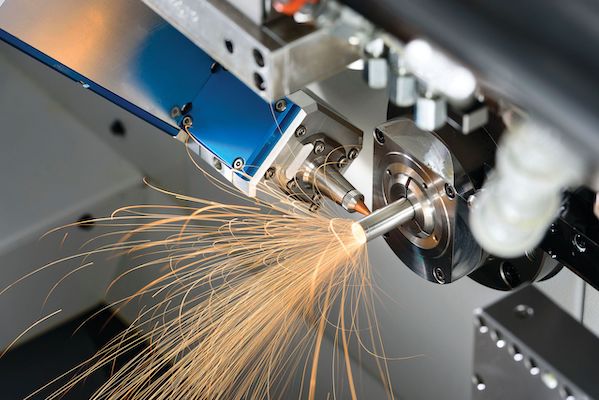
With CNC machining for medical devices, manufacturers achieve the tight tolerances and complex geometries required in medical applications. This technology is also vital for producing mechanical turned parts for the medical sector, such as surgical screws, implants, and diagnostic equipment components.
By investing in precision machining for the medical sector, healthcare providers and device manufacturers can focus on what really matters: improving patient outcomes. Machining medical parts is more than a manufacturing process—it’s a cornerstone of modern medicine, helping to bridge the gap between innovation and care.

1. Key Requirements for Machining Medical Parts
Creating machining medical parts requires more than just cutting and shaping materials. It’s about precision, durability, and meeting strict industry standards. Whether you’re designing surgical tools, implants, or diagnostic equipment, here’s what you need to know about the key requirements.
1. Choosing the Right Materials
Medical parts demand materials that are not only strong but also safe for use in healthcare settings. Common choices include:
- Metals: Titanium and stainless steel for strength, corrosion resistance, and biocompatibility.
- Plastics: PEEK and PTFE for their lightweight properties and compatibility with medical applications.
The right material ensures the part’s longevity and performance under demanding conditions.

Metals for CNC Machined Medical Devices
Metal materials used in CNC machined medical devices must meet stringent requirements, including corrosion resistance, sterilizability, and ease of cleaning. Among these, stainless steel stands out as a popular choice due to its excellent mechanical properties. It resists rust, has low magnetic properties, and is easy to machine. Additionally, stainless steel can undergo further processing, such as heat treatment, to enhance its hardness and durability, making it ideal for surgical instruments and medical equipment components.
Titanium has become another favorite in the industry, particularly for implantable medical devices. Its biocompatibility and high strength-to-weight ratio make it suitable for applications like joint replacements and bone screws. Similarly, aluminum is widely used in handheld and wearable medical devices for its lightweight and machinability.
With advanced CNC machining techniques, these metals can be transformed into precise, reliable components that meet the medical sector's strict standards for quality and performance.

Plastics for CNC Machined Medical Devices
Plastics used in CNC machining medical parts must meet specific criteria, including low water absorption, ease of sterilization, low friction, and excellent temperature resistance. Medical-grade plastics should be compatible with sterilization methods such as autoclave, gamma rays, or ethylene oxide (EtO) to ensure safety and hygiene in healthcare applications.
One major advantage of plastics in medical devices is their non-magnetic nature, which ensures they don’t interfere with diagnostic equipment like MRI machines. This makes them ideal for components in imaging systems, handheld tools, and wearable devices.
Materials like PEEK, PTFE, and polycarbonate are commonly used due to their durability, biocompatibility, and lightweight properties. These plastics also provide design flexibility, allowing manufacturers to create complex geometries that meet the unique demands of the medical field.
2. Precision and Tolerances Matter
Medical devices operate in critical environments where even the smallest error can lead to failure. Achieving tight tolerances and intricate geometries is essential.
- CNC machining offers the precision required for parts like surgical implants and diagnostic equipment.
- Advanced tools ensure precision machining for the medical sector, delivering consistent quality and functionality.

3. Industry Certifications Build Trust
Compliance with strict certifications is non-negotiable in healthcare manufacturing:
- ISO 13485: Demonstrates a quality management system tailored for medical devices.
- FDA Compliance: Ensures parts meet safety and efficacy standards for medical use.
These certifications are a must for producing mechanical turned parts for the medical sector that healthcare professionals can trust.
2. The Role of CNC Technology in Machining Medical Parts
CNC technology has revolutionized the manufacturing of machining medical parts by providing unmatched precision, efficiency, and consistency. In the medical sector, where the stakes are incredibly high, CNC machining ensures that every component meets exacting standards.
What Makes CNC Technology So Effective?
CNC, or Computer Numerical Control, automates the machining process. This means machines are programmed to execute tasks with precision down to the smallest detail. Here’s why it’s essential for medical parts:
- High Precision: CNC machines deliver the tight tolerances required for surgical tools and implants.
- Repeatability: Every part produced is identical, ensuring consistency in critical medical applications.
- Complex Geometries: CNC handles intricate designs that manual processes simply can’t achieve.

How Does CNC Apply to Medical Parts?
- Medical CNC Turning: Ideal for cylindrical parts like screws, bone pins, and other mechanical components. This process ensures smooth surfaces and accurate dimensions.
- CNC Machining for Medical Devices: Used for producing complex parts like diagnostic equipment housings or implantable devices, where precision and durability are paramount.
CNC Meaning in Medical Applications
In the context of medical manufacturing, CNC means achieving precision, reliability, and compliance. It’s not just about making parts; it’s about making parts that can perform flawlessly in life-saving situations.
Why CNC Technology Is the Gold Standard
- Automation Reduces Errors: Human error is minimized, ensuring higher quality.
- Material Versatility: CNC can work with metals like titanium and stainless steel as well as plastics like PEEK.
- Fast Turnaround: Perfect for prototyping and small-batch production, speeding up the development cycle.
CNC technology has become the backbone of machining medical parts, allowing manufacturers to meet the high standards of the healthcare industry. From medical CNC turning to crafting precise device components, it’s a game-changer for producing reliable, high-quality medical tools.
3. Common Applications of Machining Medical Parts
Machining medical parts plays a vital role in creating essential components for healthcare. From surgical tools to diagnostic equipment, precision machining ensures reliability and safety in life-critical situations. Here are some of its most common applications:
1. Surgical Instruments
Surgical tools like scalpels, clamps, and forceps require exceptional precision.
- High-precision machining ensures sharp edges, smooth surfaces, and perfect balance.
- Customization allows for tools tailored to specific procedures, enhancing surgical efficiency.

2. Implants
Orthopedic and dental implants rely heavily on precision machining to ensure they fit and function flawlessly.
- Examples include titanium hip joints, spinal implants, and dental screws.
- These components must meet strict biocompatibility and durability standards, making custom medical parts manufacturing essential.

3. Medical Device Components
Machined parts are integral to devices like infusion pumps, ventilators, and MRI machines.
- Key components include housings, support structures, and internal mechanisms.
- Machining medical parts ensures these devices function accurately and reliably under demanding conditions.

4. Diagnostic Equipment Parts
Machines like CT scanners, blood analyzers, and patient monitors rely on precision-machined parts for smooth operation.
- Common components include mechanical brackets, connectors, and calibration tools.
- Precision is critical to maintain the accuracy of these devices’ readings.
Each of these applications highlights the importance of machining medical parts in delivering high-quality, reliable tools and devices for the healthcare industry. By using CNC technology, manufacturers can produce medical device components with the precision and consistency required to meet stringent industry standards.
Whether it’s a surgical tool or a diagnostic machine part, precision machining ensures healthcare providers can trust their equipment to deliver when it matters most.
Ready to Get Started?
Need help with Machining Medical Parts? Contact RALLY today for expert guidance and a free consultation!
4. How to Choose the Right Partner for Machining Medical Parts
When it comes to machining medical parts, finding the right manufacturing partner is crucial. You’re not just looking for a supplier—you need a company that can consistently deliver precision, reliability, and quality. Here’s what to consider:
1. Experience and Expertise
Look for a partner with a proven track record in medical manufacturing.
- Why it matters: Companies with years of experience understand the strict requirements of the medical sector.
- What to check: Ask for case studies or examples of past projects in surgical tools, implants, or medical devices.
2. Equipment and Capabilities
Modern CNC technology is a must for producing high-quality medical parts.
- Advanced CNC machines ensure tight tolerances and flawless finishes.
- Comprehensive support: The best partners provide services like prototyping, design assistance, and custom machining.
3. Quality Control
Quality isn’t negotiable when manufacturing for healthcare.
- Key certifications: Look for ISO 13485 and FDA compliance to ensure your supplier meets industry standards.
- Inspection capabilities: Partners with robust testing and inspection processes guarantee every part meets specifications.
By focusing on expertise, technology, and quality control, you’ll find a partner who can meet the unique challenges of custom medical parts manufacturing and help bring your projects to life.
5. The Benefits of Working with an Expert in Machining Medical Parts
Choosing the right expert for machining medical parts isn’t just a convenience—it’s a strategic advantage. Here’s how partnering with an experienced manufacturer can make a difference for your medical projects.
1. Faster Turnaround Times
Medical projects often operate under tight timelines.
- Rapid prototyping: Experts can quickly turn your designs into prototypes, helping you move from concept to production.
- Small-batch production: Need a few parts for testing? Specialized manufacturers deliver efficiency without compromising quality.
2. Tailored Solutions for Complex Needs
Every medical device project is unique, and custom parts are often a necessity.
- Custom machining: Experts can design and produce components that meet your exact specifications, whether it’s a surgical implant or diagnostic tool.
- Problem-solving: Experienced manufacturers can suggest design improvements to enhance performance and manufacturability.
3. Cost Savings Without Cutting Corners
Working with experts doesn’t have to break the bank.
- Scalable production: Larger runs benefit from cost efficiencies, while small batches avoid unnecessary waste.
- Optimized processes: Advanced tools and streamlined workflows reduce production costs without sacrificing quality.
4. Certifications and Quality You Can Trust
Experts in machining medical parts understand the importance of compliance.
- ISO-certified medical machining services: These certifications ensure your parts meet strict quality and safety standards.
- Thorough inspections: Precision is guaranteed, from the first prototype to the final production run.
When you work with professionals in prototyping for medical devices and precision machining, you’re not just buying parts—you’re investing in reliability, efficiency, and peace of mind.
From faster delivery to customized solutions and competitive pricing, an expert partner can help you succeed in the demanding world of medical manufacturing.


Contact RALLY for Customized Medical Parts
Precision and reliability are non-negotiable in the world of machining medical parts. Whether you need components for surgical instruments, implants, or diagnostic equipment, partnering with an experienced manufacturer is essential to ensure quality, compliance, and performance. At RALLY, we specialize in delivering tailored CNC machining solutions for the medical sector, supported by advanced technology, expert craftsmanship, and strict quality control.
From rapid prototyping to ISO-certified production, we’re here to meet your unique requirements with efficiency and precision. Let us help you streamline your supply chain, reduce costs, and bring your medical innovations to life.
Ready to take the next step? Contact RALLY today for a consultation or quote. Our team is here to provide the solutions you need to succeed in your medical manufacturing projects. Visit www.rallyprecision.com or email us to get started!


General Questions:
Get A Quick Quote For Your New Project !
Our expert team and advanced manufacturing capabilities are ready to support your project from prototype to mass production. Contact us now to get started!
Related Posts

5052 Aluminum vs 6061: Choosing the Right Alloy for Your CNC Projects

The Ultimate Guide to Machining Delrin

Ultimate Guide to Aluminum CNC Machining

 English
 German
 Portuguese
 French
 Polish
 Spanish
 Italian