

From Prototype to Production
Introduction
Bringing a product from Prototype to Production is an exciting journey, yet it’s filled with challenges that require careful planning and precise execution. Every step—from concept design to final production—demands attention to detail and flexibility to adapt to changes.
In this guide, I’ll cover each phase of the Prototype to Production process, offering practical insights that simplify complex steps, reduce risks, and streamline your path to a successful product launch. Whether you’re refining your design or prepping for full-scale production, this guide will equip you to make smart, informed choices every step of the way.
1. Understanding Prototype to Production
The Prototype to Production process is crucial for turning an initial idea into a fully functional, market-ready product. This journey starts with concept validation, where early designs are reviewed and adjusted for practical use. Creating a prototype allows you to test core features, ensuring the product meets initial expectations. This step is vital for catching potential issues early on, saving time and costs later in the process.
With a solid prototype, the process moves to testing and refinement. Feedback from this stage guides essential adjustments, making the design more efficient for manufacturing. Production planning and pilot runs then ensure all systems are in place for a smooth transition to full-scale production. A well-structured Prototype to Production approach not only improves product quality but also builds a foundation for a successful market launch.

2. Steps in the Prototype to Production Process
The Prototype to Production process involves several carefully managed stages that ensure your product is ready for market. Each step focuses on refining the design, optimizing for manufacturing, and ensuring quality at scale. Here’s a breakdown of the key stages:
1) Concept & Design
The process begins with a clear concept and design phase, where the initial idea is shaped into a workable plan. This step includes outlining the product's specifications, choosing suitable materials, and considering manufacturing techniques.
For example, a product made for high-stress environments might require a durable material like stainless steel or aluminum, while lightweight consumer products might use advanced plastics. Getting these details right from the start ensures a smoother journey through the following stages.

2) Prototyping
A prototype is then created to bring the design to life. This stage allows you to test the product’s core features and functionality, providing a tangible way to validate initial assumptions.
For example, an electronics company might produce a functional prototype to ensure that each component fits correctly within the casing. By revealing design flaws early, prototyping minimizes costly changes during later stages and helps confirm that the concept aligns with the intended functionality.

3) Testing & Iteration
Testing is a critical phase where feedback from the prototype is used to refine the product. During this phase, durability, usability, and other key aspects are tested, and adjustments are made as needed.
For instance, a prototype chair might be tested for weight tolerance and comfort, leading to changes in material thickness or ergonomics. Iterative design improvements at this stage improve the product’s functionality and manufacturability, reducing potential issues in production.

4) Production Planning
This stage involves setting up a detailed production roadmap, coordinating with suppliers, planning production timelines, and securing necessary materials. Effective production planning minimizes delays and keeps costs predictable.
For example, a company preparing to produce custom auto parts might schedule regular material deliveries to prevent bottlenecks. This step ensures that all necessary resources and plans are in place before moving into full production, optimizing workflow and reducing risk.

5) Pilot Production
In pilot production, a small batch of products is manufactured to test the production setup. This phase helps identify any final issues in the manufacturing process and allows for adjustments before full-scale production.
For example, a company producing kitchen appliances may run a pilot to ensure each unit meets safety and functionality standards. Pilot production is essential for refining processes, confirming quality, and ensuring that production lines are ready for a larger volume.

5) Full Production
Once everything is optimized, full production begins, where the product is manufactured at scale. By now, quality control systems and production workflows are fully in place, ensuring consistent output.
For example, a manufacturer producing medical devices will follow stringent checks at every stage of production to guarantee each unit meets safety and regulatory standards. Full production marks the final phase where all previous planning, testing, and refinement culminate in a reliable, market-ready product.

| Stage | Description |
|---|---|
| Concept & Design | Capture the idea, outline specifications, select materials, and identify manufacturing techniques. |
| Prototyping | Build a working prototype to test functionality and address potential design issues. |
| Testing & Iteration | Collect feedback, refine design, and optimize for durability and manufacturability. |
| Production Planning | Create a production roadmap, coordinate suppliers, and plan timelines to avoid delays. |
| Pilot Production | Produce a small batch to test production setup and identify any final issues. |
| Full Production | Begin mass production with all quality checks and processes in place for consistent output. |
3. Key Benefits of Prototype to Production Services
Cost and Time Efficiency
Partnering with a provider that offers Prototype to Production services streamlines the entire process, which can significantly reduce both costs and lead times. By working with a single provider from the initial design phase through to full-scale production, you eliminate the need for multiple handoffs, which often lead to delays, misunderstandings, and additional expenses.
This approach enables faster decision-making and quick adaptations, saving valuable time and resources. For instance, consolidating design adjustments with the same team who will handle manufacturing ensures that all aspects are aligned from start to finish, avoiding rework costs and reducing the time to market. This cost-effective, integrated process is especially beneficial for companies looking to stay competitive with efficient production timelines.
Quality Control Throughout Each Stage
The Prototype to Production model allows for rigorous quality checks at each stage, ensuring that any issues are caught early and corrected before reaching full-scale production. By performing quality assessments from prototyping through pilot production, manufacturers can identify and resolve design flaws or manufacturing inconsistencies at a lower cost.
This proactive quality management minimizes the risk of defects in the final product, which can lead to recalls or additional warranty claims. For example, a manufacturer of consumer electronics can refine the product's durability during prototyping and pilot production, reducing the risk of defects in mass production. This structured approach to quality not only improves product reliability but also strengthens brand reputation by consistently delivering high-quality products.

Flexibility and Scalability in Production
Prototype to Production services are designed to adapt to different production needs, whether you require a small batch for market testing or a large run for full-scale market entry. This flexibility allows companies to test market demand without committing to high volumes initially, reducing financial risk. If demand increases, production can easily scale up without compromising quality or timeline.
For example, a startup releasing a new product can begin with limited production to gauge interest, then smoothly transition to mass production if the product is successful. This scalable approach supports growth while providing the flexibility needed to respond to market changes or customer feedback efficiently, making it ideal for companies in fast-moving or evolving industries.

Ready to Get Started?
Need help moving from Prototype to Production? Our team is ready to guide you through every step.
4. Choosing the Right Prototype to Production Partner
1) Technical Expertise and Industry Experience
Selecting a Prototype to Production partner with the right technical expertise and industry experience is crucial. A skilled partner can guide you through complex design and manufacturing requirements, ensuring each step aligns with your product goals.
Look for a provider with a proven track record across various sectors, as their familiarity with industry standards and challenges can help avoid common pitfalls and accelerate timelines. An experienced partner will also have advanced equipment and skilled personnel to handle detailed, precision-oriented tasks.
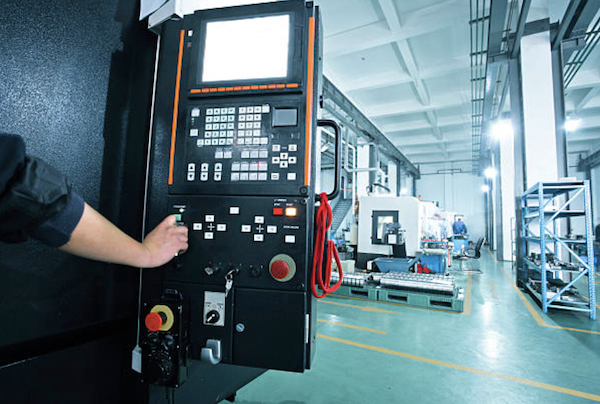
2) Clear Communication and Quality Assurance Standards
Open communication and stringent quality assurance are essential in a Prototype to Production partnership. A reliable partner provides regular updates, transparent cost breakdowns, and clear timelines, ensuring you’re informed at every stage.
Look for a partner that values quality control, as frequent quality checks from prototype to full production help catch issues early, saving time and costs. Effective communication combined with a commitment to quality can lead to a smoother, more successful production process.
5. Tips for a Smooth Prototype to Production Transition
Start with a Detailed Plan and Timeline
To ensure a seamless Prototype to Production process, begin with a well-structured plan that outlines each phase, necessary resources, and a realistic timeline. This proactive planning identifies potential risks early and allows room for adjustments if needed. Breaking down each stage—from design to pilot production—into manageable steps keeps the process on track, minimizing delays and reducing unexpected costs. A clear timeline also ensures alignment with your team and your production partner.
Focus on Iterative Testing and Quality Checks
Prioritize testing and quality assurance throughout each stage to catch and resolve issues early. During prototyping, test the design thoroughly to assess functionality, durability, and performance. Then, in the pilot production phase, run quality checks to ensure the process can consistently produce a high-quality product. By focusing on iterative testing, you’ll address potential issues before mass production, reducing rework and ensuring a reliable product when scaling up to full production.
Conclusion
Navigating the Prototype to Production process can be complex, but with a well-structured plan and the right partner, you can bring your product to market efficiently and with confidence. Each step, from concept validation to full-scale production, plays a crucial role in ensuring quality and scalability. By focusing on careful planning, quality checks, and consistent communication, you set a strong foundation for success.
Ready to take your idea from concept to reality? At RALLY, we specialize in guiding products through every stage of Prototype to Production with expertise and dedication. Contact us today to discuss how we can help streamline your project and bring your vision to life with precision and reliability. Let’s make your product a success!
General Questions:
Get A Quick Quote For Your New Project !
Our expert team and advanced manufacturing capabilities are ready to support your project from prototype to mass production. Contact us now to get started!
Related Posts

6061 Aluminum: Why It’s the Go-To Grade for Most Jobs

Copper CNC Machining: Everything You Want to Know

The Ultimate Guide to CNC Machining Materials

 English
 German
 Portuguese
 French
 Polish
 Spanish
 Italian