
Complete Guide to Aluminum Surface Treatment
Introduction
Aluminum is widely used in industries like aerospace, automotive, and electronics due to its lightweight, strength, and versatility. However, raw aluminum often needs surface treatment to enhance its performance and appearance. That’s where aluminum surface treatment becomes essential—it protects against corrosion, improves durability, and achieves the desired aesthetic.
You might be wondering:
- Which aluminum finishing method suits my application?
- What are the common surface treatment techniques?
- How do I choose a reliable supplier for my project?
At RALLY, we specialize in aluminum machining and finishing, offering tailored solutions to meet your needs. Whether you’re looking for anodizing, polishing, or powder coating, our expertise ensures your aluminum parts exceed expectations in quality and performance.

1. Why Aluminum Surface Treatment is Important

2. Common Aluminum Surface Treatment Methods
2.1 Anodizing
Anodizing aluminum is one of the most effective ways to enhance its durability and appearance. The process creates a protective aluminum oxide coating through an electrochemical reaction, making the surface harder and more resistant to wear.
Advantages of Anodizing
- Corrosion Resistance: The oxide layer protects aluminum from moisture and oxidation, perfect for outdoor or marine applications.
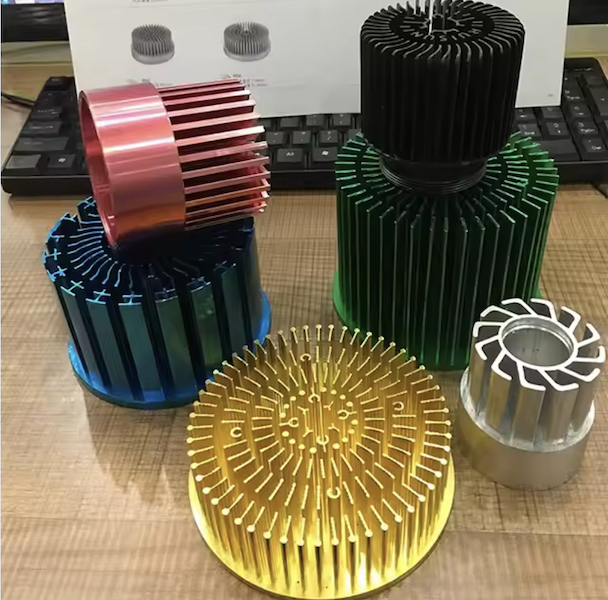
- Color Customization: Anodizing allows for vibrant, long-lasting color options that won’t peel or fade easily.
- Eco-Friendly: This process is non-toxic and produces minimal waste, making it a sustainable choice.
Common Applications
- Aerospace Components: Lightweight and durable anodized parts ensure safety and longevity.
- Electronics Casings: Sleek, scratch-resistant finishes for high-end devices.
With anodizing aluminum, you get a perfect blend of protection, functionality, and aesthetics. It’s a reliable choice for demanding environments and sophisticated designs.

2.2 Types of Anodizing
When it comes to anodizing aluminum, there are several types to choose from, each offering unique benefits. Selecting the right type depends on your application’s requirements for durability, appearance, and performance.
1. Type I: Chromic Acid Anodizing
- Features: Thin, protective layer. Less impact on dimensions.
- Applications: Ideal for aerospace and applications requiring minimal weight changes.
- Advantages: High corrosion resistance, suitable for parts with tight tolerances.
2. Type II: Sulfuric Acid Anodizing
- Features: The most common type, creating a moderate oxide layer.
- Applications: Used for consumer electronics, architectural parts, and general-purpose items.
- Advantages: Affordable, with options for vibrant color dyeing.
3. Type III: Hard Anodizing
- Features: Thick, hard coating that significantly boosts wear resistance.
- Applications: Heavy-duty tools, automotive, and industrial components.
- Advantages: Extremely durable, perfect for parts exposed to harsh environments.
4. Colored Anodizing
- Features: Integrates dyes into the oxide layer for custom colors.
- Applications: Consumer products, decorative finishes, and branding.
- Advantages: Long-lasting, vibrant colors that resist fading and peeling.
By understanding these types of aluminum oxide coatings, you can choose the one that best meets your project’s needs—whether for corrosion resistance, durability, or aesthetics.


2.3 Powder Coating
Powder coating aluminum is a popular surface treatment for achieving a durable, visually appealing finish. The process involves applying dry powder to the aluminum part, which is then cured under heat to form a solid, protective layer. This method is eco-friendly, as it produces minimal waste and contains no harmful solvents.
Advantages of Powder Coating
- Wide Color Options: Choose from an extensive range of vibrant, long-lasting colors to match your design needs.
- Scratch Resistance: The tough coating ensures a durable aluminum surface that resists scratches, chipping, and fading.
- Weatherproof: Excellent protection against moisture, UV rays, and harsh weather conditions, making it ideal for outdoor applications.
Common Applications
- Outdoor Equipment: Provides a weather-resistant finish for machinery, fences, and lighting fixtures.
- Furniture Parts: Adds both style and durability to aluminum components used in patio furniture and decor.
With powder coating aluminum, you get a sustainable, cost-effective way to protect and beautify your parts, ensuring they withstand the test of time.

2.4 Polishing and Buffing
Polishing and buffing aluminum is the go-to process for achieving a smooth, reflective, and professional finish. It involves two main methods:
- Mechanical Polishing: Uses abrasive tools to smooth the surface and remove imperfections.
- Electro-Polishing: A chemical process that enhances shine while improving corrosion resistance.
Advantages of Polishing and Buffing
- Enhanced Gloss: Achieve a polished aluminum surface with a sleek, eye-catching look.
- Smooth Surface: Reduces roughness, making the surface ideal for applications requiring high precision.
- Custom Finishes: Options for a mirror finish aluminum to meet aesthetic or functional needs.
Common Applications
- High-End Consumer Products: Such as electronics casings and luxury goods.
- Medical Devices: Smooth, sterile finishes required for healthcare equipment.
Polishing and buffing not only improve the appearance of aluminum parts but also enhance their functionality, making them suitable for premium applications.


2.5 Sandblasting
As part of aluminum surface treatment, sandblasting is a versatile method used for cleaning and texturing aluminum surfaces. By propelling abrasive materials at high speed, it removes impurities and creates a uniform finish, ideal for both functional and aesthetic applications.
Advantages of Sandblasting
- Matte Aluminum Finish: Achieve a sleek, non-reflective look perfect for modern designs.
- Surface Preparation: Enhances adhesion for subsequent coatings like powder coating or paint.
- Thorough Cleaning: Removes rust, grease, and old coatings, ensuring a pristine base for finishing.
Common Applications
- Decorative Parts: Provides a consistent texture for stylish, understated designs.
- Pre-Coating Stage: Used as a prep step to improve the durability and bond of aluminum finishing methods.
With sandblasting aluminum, you can create a durable, attractive, and ready-to-finish surface, making it an essential step in many projects requiring a high-quality finish.

2.6 Chemical Conversion Coating
Chemical aluminum coating, such as chromate conversion coating, is a cost-effective way to enhance corrosion resistance on aluminum parts. This process forms a thin protective layer by chemically reacting with the aluminum surface, making it ideal for parts requiring durability without high costs.
Advantages of Chemical Conversion Coating
- Corrosion Resistance: Protects aluminum from oxidation and harsh environments.
- Low Cost: Affordable compared to other aluminum finishing methods, making it suitable for budget-conscious projects.
- Surface Prep: Serves as an excellent primer for paints or other coatings.
Common Applications
- Aerospace Components: Ensures lightweight, corrosion-resistant parts for critical applications.
- Industrial Equipment: Enhances durability and performance in demanding environments.
With chromate conversion coating, you get reliable protection and a strong foundation for further aluminum surface treatment without breaking the bank.

2.7 Electroplating
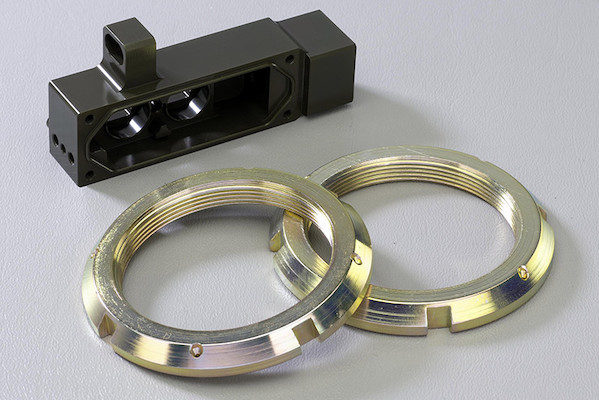
Electroplating aluminum is a versatile process that applies a thin metal layer, such as nickel, chrome, or gold, onto the aluminum surface. This method improves durability, conductivity, and aesthetics, making it a popular choice for functional and decorative applications.
Advantages of Electroplating
- Enhanced Durability: Adds a protective layer that resists wear, corrosion, and scratches.
- Improved Conductivity: Ideal for electronics and other applications requiring excellent electrical performance.
- Aesthetic Appeal: Achieve a polished, professional look with options like chrome or gold finishes.
Common Applications
- Automotive Components: Provides a sleek, corrosion-resistant finish for trim and accessories.
- Consumer Electronics: Adds conductivity and a premium look to device casings.
- Jewelry and Decorative Items: Creates a luxurious, high-gloss appearance.
As a reliable aluminum surface treatment, electroplating combines beauty and functionality, ensuring your parts meet the highest standards of performance and design.
2.8 Painting
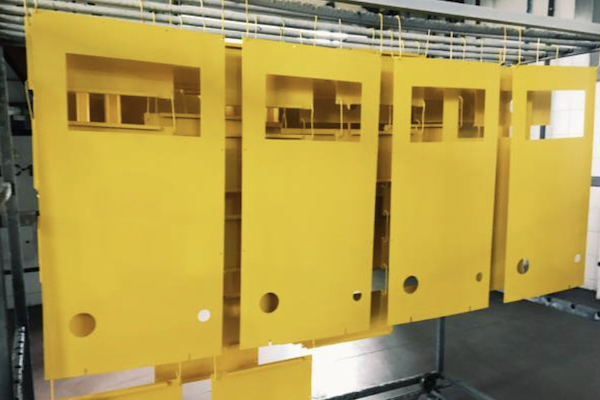
Painting aluminum is a flexible and cost-effective aluminum surface treatment that enhances both appearance and protection. By applying liquid paint in layers, this method allows for endless color options and finishes, from matte to glossy, meeting diverse design and functional needs.
Advantages of Painting
- Wide Color Variety: Unlimited color options for branding or customization.
- Protective Coating: Shields against UV rays, moisture, and mild corrosion.
- Custom Finishes: Choose from matte, satin, or high-gloss finishes for a tailored look.
Common Applications
- Architectural Components: Ideal for windows, doors, and decorative panels.
- Industrial Equipment: Adds durability and visibility with vibrant, protective layers.
- Consumer Goods: Enhances style for furniture, appliances, and tools.
As a key option in aluminum finishing, painting offers an affordable way to combine style and protection, making your aluminum parts stand out while staying durable.

3. How to Choose the Right Aluminum Surface Treatment
Choosing the right aluminum surface treatment can feel overwhelming, but it doesn’t have to be. The key is understanding your specific needs and matching them to the best surface finishing option. Here’s how you can decide:
1. Consider the Application
- Indoor vs. Outdoor: For outdoor use, prioritize corrosion resistance with options like anodizing or powder coating.
- Functional vs. Decorative: Hard anodizing suits functional durability, while polishing or painting enhances aesthetics.
2. Factor in Your Budget
- High-End vs. Standard: Processes like electroplating and anodizing offer premium finishes, while painting provides cost-effective coverage.
- Align your budget with your part’s intended use to strike the right balance.
3. Think About Material Properties
- Pure Aluminum vs. Aluminum Alloy: Pure aluminum works well with anodizing, while alloys may require specific treatments like chemical conversion for better adhesion.
4. Define Appearance Needs
- Gloss, Color, Texture: Polishing provides a shiny, reflective surface, while sandblasting offers a matte aluminum finish. Powder coating gives endless color options.
Here’s a simple table to compare application scenarios for aluminum surface treatment:
| Application Scenario | Recommended Treatment | Reason |
|---|---|---|
| Outdoor Use | Anodizing, Powder Coating | High corrosion resistance, weatherproof |
| Indoor Use | Painting, Polishing | Cost-effective, aesthetic-focused |
| Functional Durability | Hard Anodizing, Electroplating | Increased wear resistance and strength |
| Decorative Needs | Polishing, Colored Anodizing, Painting | Custom colors, glossy or matte finishes |
| High Corrosion Risk | Chromate Conversion Coating, Anodizing | Superior protection in harsh environments |
| Electrical Applications | Electroplating | Enhanced conductivity or insulation |

Ready to Get Started?
Need help with plastic part manufacturing? Contact RALLY today for expert guidance and a free consultation!
4. Case Studies: Aluminum Parts Surface Treatment
Case Study 1: Outdoor Lighting Fixtures (Anodizing)
Client Need: A manufacturer of outdoor lighting fixtures needed parts resistant to corrosion and UV damage.
Solution: We recommended anodizing aluminum for its superior weatherproof properties and the ability to add a custom bronze finish for aesthetics.
Result: The parts now withstand outdoor elements while maintaining a stylish appearance, reducing maintenance costs for the client.
Case Study 2: Medical Equipment Components (Polishing and Electroplating)
Client Need: A medical device company required smooth, sterile aluminum surfaces with a professional finish.
Solution: We used mechanical polishing to create a smooth, defect-free surface, followed by electroplating with nickel for added durability and an enhanced appearance.
Result: The components passed rigorous hygiene and performance standards, exceeding the client’s expectations.
Case Study 3: Industrial Machinery Housings (Powder Coating)
Client Need: An industrial machinery producer needed durable and color-customized housings that could endure harsh factory conditions.
Solution: Powder coating aluminum provided a robust, chip-resistant finish with the client’s custom branding colors.
Result: The housings now resist scratches, wear, and environmental stress while promoting the client’s brand identity.
Case Study 4: Aerospace Components (Chromate Conversion Coating)
Client Need: An aerospace company required lightweight aluminum parts with enhanced corrosion resistance for critical structural applications.
Solution: We applied chromate conversion coating to create a protective layer that adhered well to the aluminum alloy without adding significant weight.
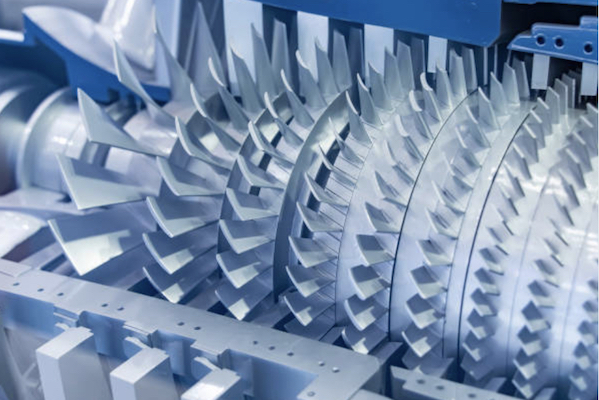
Result: The parts met strict aerospace standards, ensuring reliability in extreme environments.


5. Benefits of Partnering with RALLY for Aluminum Surface Treatment
When you work with RALLY as your aluminum surface treatment supplier, you get more than just great finishes—you gain a partner committed to delivering precision and reliability. Here’s what sets us apart:
1. Advanced Equipment for High Precision
Our state-of-the-art machinery ensures every part is treated with consistent quality, no matter the complexity. This precision guarantees your parts meet even the most stringent specifications.
2. Extensive Range of Treatment Options
From anodizing and sandblasting to electroplating, we offer a full suite of high-quality aluminum finishing processes tailored to your specific needs. Whatever your application, we’ve got you covered.
3. Stringent Quality Control
We’re ISO-certified, and every part undergoes a 100% inspection to ensure flawless results. Our rigorous quality control means you can trust us to deliver parts that exceed your expectations.
4. Fast and Flexible Delivery
We understand the importance of meeting tight deadlines. That’s why we offer fast lead times, small-batch customization, and support for urgent orders—without compromising quality.
With RALLY, you get reliable aluminum surface treatment services designed to enhance your parts’ performance and aesthetics. Let’s work together to bring your project to life!
Conclusion
General Questions:
Get A Quick Quote For Your New Project !
Our expert team and advanced manufacturing capabilities are ready to support your project from prototype to mass production. Contact us now to get started!
Related Posts

CNC Machining in the Electronics Industry

Classification Of Precision CNC Turning Parts

PTFE CNC Machining: Everything You Need to Know

 English
 German
 Portuguese
 French
 Polish
 Spanish
 Italian