
Ultimate Guide to Aluminum CNC Machining
Introduction
When it comes to Aluminum CNC Machining, the possibilities are endless. Aluminum’s lightweight, high strength, and excellent machinability make it ideal for industries like aerospace, automotive, and consumer electronics. CNC machining ensures precise, repeatable results, even for the most complex designs.
Our goal here? To help you understand how Aluminum CNC Machining works, its advantages, and what to look for in a supplier. From choosing the right aluminum alloy to ensuring top-notch quality, this guide covers it all.
At RALLY, we specialize in delivering custom aluminum CNC parts with precision, speed, and no minimum order quantity. Whether you’re prototyping or need mass production, we’re here to help. Let’s dive in!

1. What is Aluminum CNC Machining?
Aluminum CNC Machining is a manufacturing process where computer-controlled machines precisely cut, shape, and finish aluminum into custom parts. This method is perfect for creating complex designs with tight tolerances, ensuring every piece meets exact specifications. It’s a go-to solution for industries needing precision, like aerospace, medical devices, and electronics.
Why aluminum? It’s lightweight, strong, and corrosion-resistant, making it ideal for various applications. Common uses include:
- Aerospace: Lightweight structural components.
- Medical: High-precision surgical tools.
- Electronics: Durable yet sleek device housings.
When it comes to material choices, the right aluminum alloy matters. Here’s a quick breakdown:
- 6061 Aluminum: Strong, versatile, and corrosion-resistant.
- 6063 Aluminum: Ideal for smoother finishes, often used in decorative parts.
- 7075 Aluminum: High strength, perfect for demanding applications like aerospace.
By choosing Aluminum CNC Machining, you get precision, versatility, and reliability. At RALLY, we specialize in machining these alloys into the parts you need, whether it’s for prototypes or full production runs.

2. Benefits of Aluminum CNC Machining
When it comes to Aluminum CNC Machining, the benefits go beyond precision. Let’s break down why it’s the preferred choice for so many industries:
1. Precision and Consistency
CNC machining delivers unmatched precision, making it ideal for creating complex aluminum parts. Whether it’s tight tolerances or intricate designs, you can trust CNC machining for consistent, flawless results every time.
2. Cost-Effectiveness
Aluminum is easy to machine, which translates to lower costs and faster production. Its machinability reduces tool wear, making it an economical choice for both prototypes and large production runs.
3. Versatility for Diverse Applications
Aluminum’s strength-to-weight ratio is unbeatable. It’s lightweight yet strong enough to handle demanding applications. From aerospace components to medical devices, Aluminum CNC Machining meets the needs of diverse industries.
4. Surface Finish Options
Looking for that perfect finish? Aluminum parts can be anodized for a sleek, corrosion-resistant surface, sandblasted for texture, or polished for a mirror-like appearance. The possibilities are endless, giving you both functionality and aesthetics.
5. Durability and Corrosion Resistance
Aluminum is naturally resistant to corrosion, ensuring long-lasting performance. Its durability makes it a reliable material for outdoor or high-stress applications.
With Aluminum CNC Machining, you’re investing in precision, cost savings, and versatility. At RALLY, we combine advanced technology with years of expertise to deliver high-quality parts that meet your exact needs.

3. Key Applications of Aluminum CNC Machining
Aluminum CNC Machining is widely used across industries, thanks to aluminum's unique properties like lightweight strength, corrosion resistance, and machinability. Here are some of the most common applications:
Aerospace
Aluminum CNC Machining plays a crucial role in the aerospace industry. Aluminum’s lightweight and high strength make it ideal for creating critical structural components where weight reduction and durability are key.
Here are some common aerospace applications:
- Frames and Brackets: Lightweight yet strong, perfect for aircraft assemblies.
- Engine Components: Precision-machined parts ensure high performance and safety.
- Fittings and Connectors: Custom designs meet strict aerospace standards.
Using CNC machining ensures precision, consistency, and compliance with aerospace regulations. Every part is crafted to exact specifications, reducing material waste and improving efficiency.


Automotive
Aluminum CNC Machining is essential in the automotive industry, where precision and performance matter. Aluminum’s lightweight nature helps reduce vehicle weight, improving fuel efficiency without compromising strength.
Here are some common automotive applications:
- Engine Components: Cylinder heads, intake manifolds, and brackets for better performance and heat resistance.
- Body Parts: Lightweight panels and structural components that enhance durability and crash safety.
CNC machining ensures these parts are produced with tight tolerances and consistent quality. It’s ideal for prototypes, small-batch runs, or mass production.
At RALLY, we deliver custom CNC-machined aluminum parts tailored to automotive needs, ensuring fast turnaround and top-notch quality.
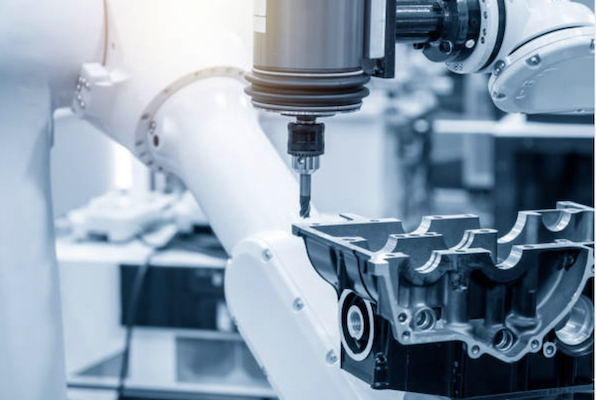
Medical Devices
Aluminum CNC Machining is vital in the medical industry, where precision and reliability are non-negotiable. Aluminum’s lightweight, durability, and corrosion resistance make it a top choice for crafting medical device components.
Here are some common applications:
- Device Housings: Durable, lightweight enclosures for medical equipment like monitors and imaging systems.
- Instrument Components: High-precision surgical tools and diagnostic parts designed for accuracy and performance.
CNC machining ensures these aluminum parts meet stringent medical standards and are free from defects. Whether it’s a prototype or large-scale production, every part is crafted with care.
At RALLY, we provide custom CNC-machined aluminum parts tailored to your medical application needs, ensuring top-notch quality and fast delivery.
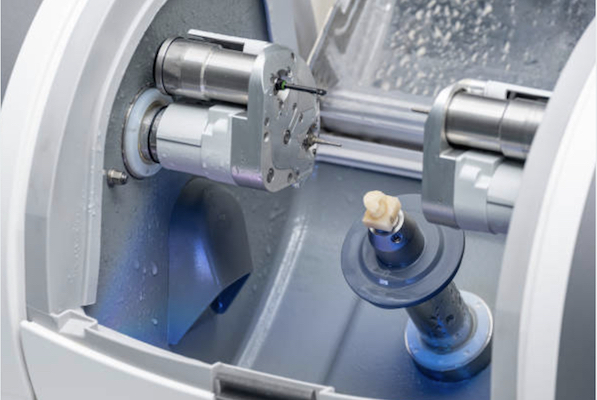
Consumer Electronics
Aluminum CNC Machining is a game-changer in consumer electronics, delivering sleek designs and robust performance. Aluminum’s lightweight, strength, and premium appearance make it the perfect material for modern gadgets.
Here are some common applications:
- Smartphone Housings: Durable yet lightweight exteriors that enhance durability and heat dissipation.
- Laptop Casings: Precision-machined shells that balance strength and elegance, ensuring a premium look and feel.
CNC machining guarantees high accuracy and consistency, producing parts that fit perfectly and last longer. Whether it’s for prototypes or mass production, aluminum parts add a high-end touch to electronic devices.

Industrial Machinery
Aluminum CNC Machining is essential for producing high-performance parts in industrial machinery. Aluminum’s strength, corrosion resistance, and machinability make it a reliable choice for demanding applications.
Here are common uses:
- Tools: Precision-machined aluminum tools that are lightweight yet durable, reducing operator fatigue.
- Equipment Components: Structural parts and fittings designed to handle heavy loads and maintain stability.
CNC machining ensures these parts meet exact specifications, with tight tolerances for optimal performance. Whether it’s for one-off prototypes or bulk production, aluminum delivers both efficiency and longevity.

Ready to Get Started?
Need help with Aluminum CNC Machining? Contact RALLY today for expert guidance and a free consultation!
4. Aluminum CNC Machining Processes
Aluminum CNC Machining involves various processes to create precision parts, each tailored to specific designs and requirements. Let’s explore the key methods:
CNC Milling for Aluminum
CNC milling is a key process in Aluminum CNC Machining, where rotating cutting tools precisely remove material from aluminum to create complex shapes. It’s ideal for parts that require intricate details and tight tolerances.
What is CNC Milling?
In CNC milling, the aluminum workpiece stays stationary while multi-axis cutting tools shape the part. This subtractive process ensures accuracy and repeatability, even for highly detailed designs.
Common Milled Aluminum Parts
- Brackets: Lightweight and strong for structural support.
- Enclosures: Sleek and durable for electronic devices or machinery.
- Prototypes: High-precision parts for testing and validation.
Key Features of CNC Milling for Aluminum
- High Precision: Perfect for intricate designs and dimensional accuracy.
- Smooth Finishes: Minimal post-processing required.
- Versatility: Suitable for both flat and 3D geometries.

CNC Turning for Aluminum
CNC turning is a critical process in Aluminum CNC Machining designed to create precise cylindrical parts. It uses a lathe where the aluminum workpiece rotates while stationary cutting tools shape it. This method ensures high accuracy and speed for symmetrical designs.
What is CNC Turning?
In CNC turning, the aluminum is spun at high speed while the cutting tools remove material to form the desired shape. This process is perfect for producing round or tubular components with consistent dimensions and smooth finishes.
Parts Best Suited for CNC Turning
- Shafts: Strong and lightweight for motors or industrial machinery.
- Bushings: Precision-made for reduced friction and wear.
- Threaded Components: Bolts, screws, or connectors for secure assemblies.
Advantages of CNC Turning for Aluminum
- Speed: Faster production for high-volume runs.
- Precision: Tight tolerances for critical applications.
- Cost-Effective: Minimal waste and efficient material use.
At RALLY, we specialize in CNC turning for aluminum, using advanced equipment to produce parts with exceptional precision and durability.

Drilling and Tapping Aluminum
Drilling and tapping are essential steps in Aluminum CNC Machining, creating precise holes and internal threads for fasteners and assemblies. These processes require careful planning to ensure accuracy and durability.
Key Technical Requirements
- Tool Selection: Use sharp, high-speed steel or carbide tools to avoid burrs.
- Coolant: Proper lubrication prevents overheating and tool wear.
- Thread Depth: Maintain consistency to ensure secure fits.
Important Considerations
- Avoid excessive force to prevent material deformation.
- Ensure alignment for flawless threading and smooth assembly.
- Test thread compatibility to avoid loose or tight connections.

5. Choosing the Right Aluminum Alloy for CNC Machining
Selecting the right aluminum alloy is critical for successful Aluminum CNC Machining. Each alloy has unique properties, making it suitable for different applications. Here, we’ll compare popular alloys like 6061 and 6063, discuss other commonly used options, and provide tips to help you make the best choice.
6061 Aluminum vs. 6063 Aluminum
These two alloys are among the most commonly used in Aluminum CNC Machining, but they serve different purposes.
-
- Properties: High strength, excellent corrosion resistance, and good machinability.
- Applications: Structural components, automotive parts, aerospace components, and industrial machinery.
- Why Choose It: Ideal for parts requiring durability and load-bearing capabilities.
-
6063 Aluminum
- Properties: Superior surface finish and excellent corrosion resistance but lower strength compared to 6061.
- Applications: Decorative components, piping, and architectural structures.
- Why Choose It: Perfect for projects where appearance and smooth finishing are top priorities.
Which to Choose?
If strength and performance are critical, go with 6061. For aesthetics or lightweight applications, 6063 is the better fit.
Aluminum 6061 vs 6063: Which Alloy Fits Your Project?

6082 Aluminum Alloys
When looking for a strong, corrosion-resistant material, 6082 aluminum is an excellent choice for Aluminum CNC Machining. Its balanced properties make it a favorite in various industries.
Why Choose 6082 Aluminum?
- Strength and Durability: Offers high mechanical strength, ideal for structural applications.
- Corrosion Resistance: Performs well in outdoor and marine environments, thanks to excellent resistance to oxidation.
- Weldability: 6082 is easy to weld, adding versatility to its applications.
Applications for 6082 Aluminum
This alloy is commonly used for:
- Structural Components: Bridges, cranes, and scaffolding parts.
- Automotive and Marine Parts: Lightweight yet robust components for high-performance needs.
- Machinery: Industrial equipment requiring precise, durable materials.
Key Considerations
6082 machines well with proper tools and techniques, ensuring clean finishes and tight tolerances. Its combination of strength and corrosion resistance makes it versatile for many uses in Aluminum CNC Machining.
7075 Aluminum Alloys
When it comes to Aluminum CNC Machining, 7075 aluminum stands out for its exceptional strength and durability. But is it the right alloy for your project? Let’s explore its properties, advantages, and ideal applications to help you decide.
What Makes 7075 Aluminum Unique?
- High Strength: Known for its superior tensile strength, 7075 is one of the strongest aluminum alloys.
- Lightweight: Despite its strength, it remains lightweight, ideal for applications needing performance without added bulk.
- Corrosion Resistance: While not as corrosion-resistant as 6061, it performs well with proper surface treatments.
Applications for 7075 Aluminum
This alloy is perfect for high-stress environments, such as:
- Aerospace: Structural components and fittings where strength is critical.
- Sports Equipment: Bicycle frames and climbing gear for durability and lightweight performance.
- Military Applications: High-performance parts like weapon components or aircraft fittings.
Factors to Consider
- Cost: 7075 is more expensive than other alloys, so it’s best for projects where strength is a priority.
- Machinability: Slightly harder to machine than 6061, but with expert CNC machining, precision can be achieved.
- Surface Finish: Anodizing improves its corrosion resistance and adds a professional look.

5052 Aluminum Alloys
When selecting materials for Aluminum CNC Machining, 5052 aluminum is a top contender for projects requiring durability and corrosion resistance. Let’s explore its key properties and why it might be the right choice for your project.
Why Choose 5052 Aluminum?
- Corrosion Resistance: 5052 is highly resistant to saltwater and harsh environments, making it perfect for marine or outdoor applications.
- Strength and Flexibility: While not as strong as 7075, it offers excellent strength combined with good formability for complex designs.
- Lightweight: Ideal for applications where weight is a concern without sacrificing performance.
Applications for 5052 Aluminum
This alloy is commonly used in:
- Marine Parts: Hulls, fuel tanks, and fittings.
- Industrial Equipment: Enclosures and pressure vessels.
- Signage: Weather-resistant outdoor signs and displays.
Key Considerations
5052 is slightly less machinable than 6061 but still works well with skilled Aluminum CNC Machining. Surface finishes like anodizing enhance its durability and appearance.
2024 Aluminum Alloys
When strength and fatigue resistance are top priorities, 2024 aluminum is a standout choice for Aluminum CNC Machining. Let’s explore why this alloy might be the right fit for your project.
Why Choose 2024 Aluminum?
- High Strength: Known for its superior tensile strength, making it ideal for structural applications.
- Fatigue Resistance: Handles repetitive stress exceptionally well, ensuring long-term reliability.
- Lightweight: Offers excellent performance without adding unnecessary weight.
Applications for 2024 Aluminum
This alloy is best suited for:
- Aerospace Parts: Wing spars, fuselage components, and critical structures.
- Automotive: High-performance parts requiring durability and precision.
- Military Equipment: Applications where strength is essential under stress.
Key Considerations
2024 has lower corrosion resistance compared to other alloys like 5052, but proper coatings or anodizing can address this issue. It’s also slightly harder to machine, making expert Aluminum CNC Machining crucial.
Factors to Consider When Choosing an Aluminum Alloy
Selecting the right aluminum alloy is a critical step in Aluminum CNC Machining. Your choice affects everything from machining efficiency to part performance. Let’s break it down into key factors:
1. Application Requirements
Consider how the part will be used.
- High Strength Needs: Go with 6061 or 7075 for load-bearing parts.
- Decorative Components: 6063 offers a smooth finish perfect for aesthetics.
2. Machinability
Some alloys are easier to machine than others.
- 6061 Aluminum: Excellent machinability, making it a cost-effective choice for complex parts.
- 7075 Aluminum: Harder to machine but perfect for high-stress applications.
3. Corrosion Resistance
For outdoor or marine use, corrosion resistance is key. Alloys like 5052 or anodized 6061 are great options for withstanding harsh environments.
6. Challenges in Aluminum CNC Machining and How RALLY Solves Them
While Aluminum CNC Machining offers precision and versatility, it comes with its own set of challenges. These issues can affect quality, performance, and timelines if not addressed properly. Here are the most common challenges and how RALLY ensures they’re solved efficiently.
1. Aluminum Part Deformation
Aluminum is lightweight and has a low melting point, making it prone to deformation during machining.
- The Challenge: Excessive cutting force or heat buildup can cause the part to warp or lose dimensional accuracy.
- RALLY’s Solution: We use high-precision CNC machines with optimized feed rates and speeds. Our engineers carefully select cutting tools and adjust machining parameters to minimize stress on the material.
2. Burr Formation During Cutting
Burrs—small, rough edges—often form on aluminum surfaces during machining, especially in high-speed operations.
- The Challenge: Burrs require extra deburring steps, increasing time and cost.
- RALLY’s Solution: We use specialized cutting tools and advanced deburring techniques to ensure smooth edges. By closely monitoring the cutting process, we significantly reduce burr formation.
3. Uneven Surface Finishing
Achieving consistent surface finishes, especially on aluminum, can be tricky due to material softness and tool wear.
- The Challenge: Inconsistent finishes can impact the appearance and performance of the final product.
- RALLY’s Solution: We provide a variety of surface treatment options like anodizing, polishing, and sandblasting. Our experienced team ensures even application and flawless finishes for every part.
How RALLY Ensures Quality at Every Step
At RALLY, we tackle these challenges head-on with a combination of expertise and advanced technology:
- State-of-the-Art Equipment: Our CNC machines are equipped with cutting-edge technology to handle even the most complex aluminum parts.
- Expert Engineers: Our team evaluates each project’s unique requirements, optimizing tools and processes for the best results.
- End-to-End Solutions: From material selection to machining and surface treatment, we offer a one-stop service to guarantee quality and efficiency.

7. Surface Finishes for Aluminum CNC Machining
In Aluminum CNC Machining, surface finishing is a key step to enhance the functionality, durability, and aesthetics of aluminum parts. A wide range of finishes is available to suit different applications, from protecting against wear to achieving a sleek appearance.
Anodizing
When it comes to Aluminum CNC Machining, surface finishes play a crucial role in enhancing the appearance, durability, and functionality of aluminum parts. One of the most popular and effective finishes is anodizing.
What is Anodizing?
Anodizing is an electrochemical process that creates a protective oxide layer on the aluminum surface. This layer is:
- Corrosion-Resistant: Shields the part from rust, oxidation, and wear.
- Durable: Increases the hardness of the surface, making it more scratch-resistant.
- Customizable: Available in a variety of colors for aesthetic and functional purposes.
Why Choose Anodizing for CNC Machined Aluminum?
- Improved Lifespan: Anodized parts last longer, especially in harsh environments like marine or outdoor settings.
- Enhanced Appearance: The smooth, vibrant finish adds a premium look to components.
- Eco-Friendly: The anodizing process is sustainable and produces minimal waste.
Applications
Anodized aluminum is commonly used in:
- Consumer electronics (smartphone housings).
- Automotive parts (trim, panels).
- Aerospace and industrial components.
Sandblasting
Sandblasting is a popular surface finish in Aluminum CNC Machining, offering both functional and aesthetic benefits. By propelling fine abrasive particles onto the aluminum surface, sandblasting creates a uniform, textured finish that enhances the part’s appearance and usability.
Why Choose Sandblasting?
- Enhanced Texture: Provides a matte or satin finish, improving grip and reducing glare.
- Improved Coating Adhesion: Prepares the surface for additional treatments like painting or anodizing.
- Versatile Aesthetics: Gives parts a professional, modern look suitable for consumer and industrial products.
Applications
Sandblasted finishes are ideal for:
- Consumer electronics like laptop housings and phone cases.
- Automotive components requiring both style and functionality.
- Industrial equipment where a non-reflective surface is needed.
Polishing
Polishing is a go-to surface finish in Aluminum CNC Machining for achieving a sleek, high-gloss appearance. By smoothing the aluminum’s surface, polishing enhances both aesthetics and functionality, making parts visually appealing and easier to clean.
Why Choose Polishing?
- Enhanced Shine: Creates a reflective, mirror-like finish ideal for decorative parts.
- Improved Smoothness: Reduces surface roughness, preventing dirt and debris buildup.
- Professional Look: Adds a premium touch to consumer and industrial products.
Applications
Polished aluminum parts are often used in:
- Consumer Electronics: Sleek housings for smartphones and laptops.
- Automotive: Trim and decorative panels.
- Decorative Items: High-end lighting and furniture components.
Coating
Coating is a versatile surface treatment in Aluminum CNC Machining, offering both protective and decorative benefits. By applying a layer of material, coatings enhance the durability, appearance, and functionality of aluminum parts.
Why Choose Coating?
- Corrosion Protection: Shields aluminum from moisture, chemicals, and wear.
- Customizable Look: Available in various colors and finishes to match branding or aesthetic needs.
- Increased Durability: Adds a tough layer that resists scratches and impacts.
Applications
Coated aluminum parts are ideal for:
- Consumer Electronics: Durable, colorful housings for phones and laptops.
- Automotive Components: Scratch-resistant panels and trim.
- Industrial Equipment: Functional coatings for increased wear resistance.


Ready to Get Started?
Need help with Aluminum CNC Machining? Contact RALLY today for expert guidance and a free consultation!
8. Why Choose RALLY for Aluminum CNC Machining Services?
1. Rich Experience in Aluminum Machining
With over 10 years of experience, we’ve honed our skills in machining aluminum for various industries, including aerospace, automotive, and electronics. From simple prototypes to complex, high-precision components, we’ve done it all.
2. Advanced Equipment for Superior Quality
We use state-of-the-art CNC machining centers to ensure precision and consistency. Our machines handle everything from multi-axis milling to intricate turning, producing parts with tight tolerances and impeccable finishes.
3. No Minimum Order Quantity (MOQ)
Whether you need a single prototype or a large production run, we’re here to help. At RALLY, we offer flexible production options with no MOQ, making our services accessible to businesses of all sizes.
4. Fast Turnaround Times
Time is crucial in today’s competitive market. That’s why we prioritize fast lead times without compromising on quality. Our streamlined processes and expert team ensure your parts are delivered on schedule.
5. Global Shipping Capabilities
We specialize in exporting high-quality aluminum parts to the USA, Europe, and beyond. Our logistics expertise ensures safe and timely delivery, no matter where your business is located.
9. How to Get Started with RALLY's Aluminum CNC Machining Services
Getting started with RALLY’s Aluminum CNC Machining services is simple and hassle-free. We’ve streamlined the process to ensure efficiency and clarity, so you can focus on your project while we handle the details. Here’s how it works:
-
Upload Your Design Files
Share your technical drawings or STEP files in formats like PDF, DWG, or STL. Include details like dimensions, tolerances, and finish requirements. -
Get a Free Quote
We’ll review your design and provide a transparent quote, including pricing, lead time, and shipping options. -
Approve the Sample
After you approve the quote, we’ll create a sample for your review to ensure everything meets your expectations. -
Start Production
Once the sample is confirmed, we proceed with full-scale production, delivering consistent quality and timely updates.
Conclusion
General Questions:
Get A Quick Quote For Your New Project !
Our expert team and advanced manufacturing capabilities are ready to support your project from prototype to mass production. Contact us now to get started!
Related Posts

Why CNC Machining in China is Your Best Option

Ultimate Guide to Machining PVC

Manufacturer of Turned Components for the Connector Industry

 English
 German
 Portuguese
 French
 Polish
 Spanish
 Italian