
Ultimate Guide to Turning of Aluminum Parts
Introduction
When it comes to manufacturing aluminum parts, precision and efficiency are non-negotiable. However, achieving high-quality results can be challenging without the right tools, techniques, or expertise. Many businesses struggle with inconsistent tolerances, surface finish issues, and unreliable suppliers.
This guide is here to address these challenges. From selecting the right aluminum grade to ensuring top-notch results through CNC turning, you'll gain the insights needed to make informed decisions and streamline your production process. Let’s dive into everything you need to know about turning aluminum parts efficiently.
1. What Is Turning of Aluminum Parts?
Turning is a machining process where a cutting tool removes material from a rotating workpiece to create the desired shape and dimensions. This process is widely used to manufacture cylindrical parts, ensuring precision and consistency.
Why Aluminum Is Ideal for Turning
Aluminum is a popular choice for turning due to its:
- Lightweight nature: Perfect for industries like aerospace and automotive.
- High strength-to-weight ratio: Delivers durability without adding bulk.
- Excellent machinability: Reduces tool wear, increases efficiency, and allows for complex designs.

2. Why Choose Turning of Aluminum Parts?
Aluminum is a standout material for machining, and here’s why it excels in Turning of Aluminum Parts:
1. High Thermal and Electrical Conductivity
Aluminum efficiently conducts heat and electricity, making it perfect for applications like heat sinks, electronic components, and automotive systems. Its ability to manage energy flow reliably sets it apart from other materials.
2. Exceptional Corrosion Resistance
Aluminum naturally forms an oxide layer that protects it from rust and corrosion. This durability makes it an excellent choice for outdoor or marine parts that need to withstand harsh environments over time.
3. Ideal for Complex Geometries
Aluminum’s machinability allows for creating intricate shapes and maintaining tight tolerances. This is crucial in industries like aerospace and medical, where precision is a non-negotiable requirement.
These advantages make aluminum a go-to material for Turning of Aluminum Parts across various industries.

3. Applications of Turning of Aluminum Parts
Turning of Aluminum Parts is used in many industries, thanks to its versatility and performance.
Aerospace Industry
In aerospace, precision and weight savings are non-negotiable. Turning of Aluminum Parts plays a crucial role in manufacturing lightweight, durable components like brackets, housings, and structural parts.
Aluminum’s high strength-to-weight ratio ensures reduced aircraft weight, leading to improved fuel efficiency and performance.
Additionally, its corrosion resistance helps parts endure harsh conditions like extreme temperatures and high altitudes. Whether it's for commercial aviation or space exploration, aluminum's machinability ensures every part meets tight tolerances, enhancing safety and reliability.
With its unmatched properties, aluminum is a top choice for cutting-edge aerospace innovations.

Automotive Industry
The automotive world thrives on precision and efficiency, making Turning of Aluminum Parts a cornerstone of manufacturing. Aluminum is used to create engine components, suspension parts, and heat exchangers.
Its excellent thermal conductivity keeps engines cooler, while its lightweight nature improves fuel efficiency and handling.
Furthermore, the ability to machine intricate shapes allows for innovative designs that meet evolving automotive standards. By reducing vehicle weight without compromising strength, aluminum continues to drive advancements in electric and fuel-efficient vehicles.

Consumer Electronics
Aluminum's sleek appearance and practicality make it indispensable in consumer electronics. Turning of Aluminum Parts is used to produce phone frames, laptop bodies, and internal components.
Its thermal conductivity ensures heat is efficiently dissipated, keeping devices cool during use. Plus, aluminum’s machinability allows for precise, aesthetically pleasing designs.
From smartphones to wearable tech, turned aluminum parts contribute to the performance and style of modern gadgets, ensuring they remain lightweight and durable while meeting the demands of users.

Medical Equipment
In the medical field, precision and reliability are critical. Turning of Aluminum Parts is essential for creating surgical tools, device housings, and imaging equipment. Aluminum’s corrosion resistance makes it easy to sterilize, ensuring hygiene in sensitive environments.
Its lightweight properties improve the portability of medical devices, while its machinability allows for highly precise components. Whether for operating rooms or diagnostic machines, aluminum parts meet the stringent quality standards required in healthcare, providing durability and performance.

4. Turning of Aluminum Parts: Key Manufacturing Processes
4.1 Preparing Materials and Technical Drawings
Every successful Turning of Aluminum Parts project starts with careful preparation.
1. Material Selection
Choosing the right aluminum grade is critical. Grades like 6061, 7075, and 5052 are popular for their strength, corrosion resistance, and machinability. The specific application determines the best material for performance and cost-effectiveness.
2. Technical Drawings
Clear and precise technical drawings are essential for achieving desired results. Drawings should include dimensions, tolerances, and surface finish requirements. Adhering to industry standards ensures the parts meet functional and aesthetic needs. This preparation step minimizes errors and streamlines the machining process.
4.2 CNC Turning vs. Traditional Turning
Why CNC Turning Is Superior
CNC turning is a game-changer in Turning of Aluminum Parts due to its:
- High Precision: Achieves tolerances as tight as ±0.01mm, essential for industries like aerospace and medical.
- Efficient Production: Automation reduces lead times and boosts productivity, especially for complex parts.
- Consistency: Delivers uniform quality in large batches, unlike traditional methods that rely heavily on manual adjustments.
Traditional turning may work for simple designs, but CNC turning excels in handling intricate geometries and high-volume production with accuracy and speed.

4.3 The Importance of Surface Finishing
Surface finishing enhances both the functionality and appearance of aluminum parts. Common finishes include:
- Anodizing: Adds a corrosion-resistant oxide layer and allows for custom colors, improving durability and aesthetics.
- Polishing: Creates a smooth, reflective surface, perfect for decorative or consumer-facing parts.
- Sandblasting: Adds a matte texture, increasing grip and reducing glare, ideal for functional components like tools and handles.
These finishing processes not only protect aluminum parts but also ensure they meet performance and design standards across industries. When paired with CNC turning, surface finishes take Turning of Aluminum Parts to the next level of quality.


Ready to Get Started?
Need help with turning of aluminum parts? Contact RALLY today for expert guidance and a free consultation!
5. Challenges and Solutions in Turning of Aluminum Parts
Heat Management and Deformation
One of the biggest challenges in Turning of Aluminum Parts is managing heat. Aluminum tends to heat up quickly during machining, leading to potential deformation.
How We handle this:
- Use the right coolant: I choose coolants specifically designed for aluminum to keep temperatures low.
- Optimize cutting speed: Running at the right speed minimizes friction, reducing heat buildup.
- Proper tool selection: Sharp, high-quality tools reduce cutting resistance, which helps prevent excess heat.
Ensuring Precision and Tolerances
Achieving a precision of ±0.01mm can be tough, but it’s essential for industries like aerospace and medical.
How we ensure accuracy:
- Calibrated CNC machines: I rely on advanced CNC equipment to maintain consistent accuracy.
- Fine-tuning cutting parameters: Adjusting speeds and feeds ensures the machine operates smoothly.
- Quality inspections: Using tools like micrometers and CMM machines guarantees parts meet strict tolerances.
Controlling Surface Finish
Surface finish can make or break the final quality of Turning of Aluminum Parts. Poor finishes may affect the functionality or appearance of the part.
Here’s what we do:
- Choose the right tools: Sharp tools with appropriate coatings are essential for smooth finishes.
- Optimize cutting parameters: Adjusting feed rates and spindle speeds prevents chatter marks.
- Apply post-processing: Techniques like polishing or sandblasting enhance the surface quality.

6. Why Choose Chinese Suppliers for Turning of Aluminum Parts?
1. Cost-Effectiveness
One of the main reasons I recommend Chinese suppliers for Turning of Aluminum Parts is their cost advantage.
- Lower material costs: China’s large-scale aluminum production ensures competitive pricing without sacrificing quality.
- Affordable labor costs: Skilled labor in China offers expertise at a fraction of the price compared to other regions.
These savings make it easier to stay within budget, especially for large-scale production.
2. Advanced CNC Turning Technology
Chinese suppliers excel in Turning of Aluminum Parts thanks to their investment in technology and experience.
- High-end equipment: Many suppliers use state-of-the-art CNC machines, ensuring precision and efficiency.
- Experienced technicians: Years of hands-on expertise mean they can handle complex designs and tight tolerances with ease.
This combination ensures that every part meets exact specifications, no matter the complexity.
3. Efficient Logistics Support
Shipping from China is easier than ever, thanks to well-established logistics networks.
- Global shipping solutions: Suppliers offer reliable and affordable shipping options to get parts delivered quickly.
- Customized packaging: They ensure products are securely packed to prevent damage during transit.
This level of support makes working with Chinese suppliers seamless, even for international projects.
By choosing a Chinese supplier for Turning of Aluminum Parts, you gain cost savings, advanced capabilities, and streamlined logistics—all essential for successful manufacturing.
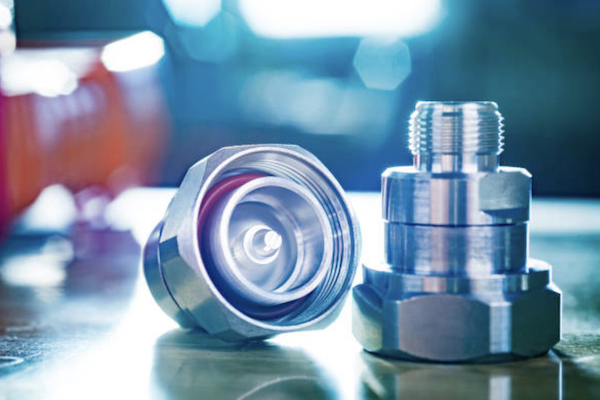

7. RALLY’s Advantages in Turning of Aluminum Parts

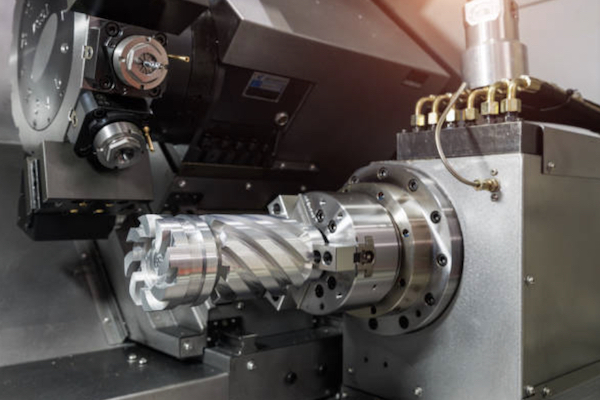
Conclusion
At RALLY, we combine precision, advanced technology, and exceptional service to deliver the best solutions for Turning of Aluminum Parts. Whether you need prototypes or mass production, our expertise and commitment to quality ensure every project exceeds expectations. From free consultations to custom solutions and fast customer support, we’re here to make your manufacturing process smooth and hassle-free.
Ready to get started? Contact RALLY today to discuss your Turning of Aluminum Parts project, and let us deliver high-quality, precision-engineered solutions tailored to your needs!
General Questions:
Get A Quick Quote For Your New Project !
Our expert team and advanced manufacturing capabilities are ready to support your project from prototype to mass production. Contact us now to get started!
Related Posts

The Complete Guide to Metal Prototyping

Aerospace CNC Machining: Your Guide to Precision Parts

Manufacturer of Turned Components for the Connector Industry

 English
 German
 Portuguese
 French
 Polish
 Spanish
 Italian