

Metal Parts Fabrication: How to Make Custom Metal Parts
Introduction
Custom metal parts are the backbone of countless industries, from automotive to aerospace, medical to consumer electronics. These components, tailored to precise specifications, drive innovation and efficiency across the global market. The ability to create custom parts meets the unique needs of each project, ensuring optimal performance and durability. This underscores the critical role that metal parts fabrication plays in today's engineering and manufacturing landscapes.
Therefore, this article aims to demystify the process of metal parts fabrication. By guiding you through the various techniques and materials involved, we'll provide a clear, practical understanding of how bespoke metal components come to life. Whether you're a seasoned engineer or new to the field, this exploration will equip you with the knowledge to make informed decisions about custom metal fabrication for your projects.
Enter RALLY, a leader in the metal parts fabrication industry. With a commitment to quality and a suite of advanced technologies, RALLY stands ready to transform your concepts into tangible, high-performing metal parts. As we delve into the intricacies of metal fabrication, keep in mind that RALLY's expertise is at your disposal, ensuring your fabrication needs are met with precision and care.

1. What is Metal Fabrication?
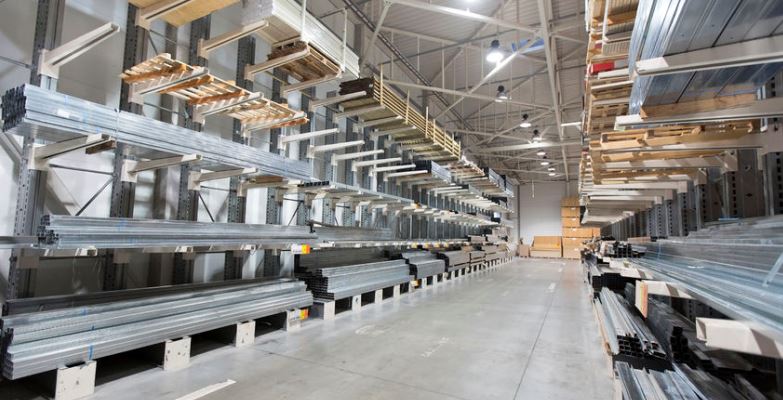
Metal fabrication is the art and science of building metal structures by cutting, bending, and assembling processes. It begins with raw materials such as sheet metal, metal rods, and metal bars, which are then transformed into final products or components through various methods. Key techniques include welding, machining, laser cutting, and forming, each selected based on the project's specific requirements.
This process is integral to creating everything from industrial machinery to custom car parts and architectural metalwork. Consequently, metal fabrication is a cornerstone of manufacturing, enabling the production of both standard items and bespoke solutions. With its versatility and capability to produce durable, complex structures, metal fabrication stands as a pivotal process in the engineering and construction sectors.
2. Types of Metal Materials
3. How to Fabricate Metal Parts
3.1 CNC Machining: Material Removal
CNC Machining Process
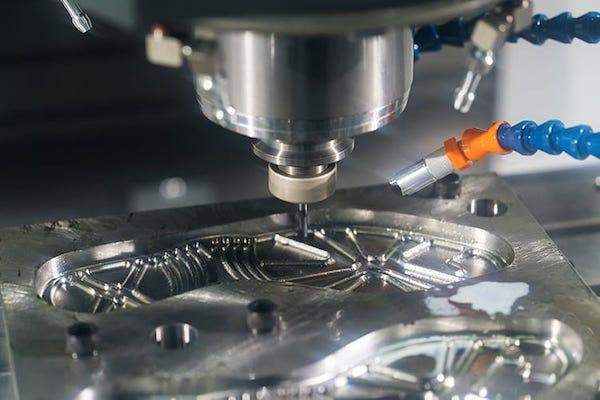
CNC (Computer Numerical Control) machining stands as a pinnacle of precision in metal fabrication, skillfully removing material to craft parts with meticulous accuracy. This process employs computerized controls and machine tools to cut the metal into a final design. Starting from a digital 3D model, CNC machines, including mills, lathes, and grinders, systematically subtract material from a solid block, known as the workpiece, to achieve the desired shape.
The process excels in producing complex geometries that would be challenging, if not impossible, to achieve manually. Moreover, CNC machining ensures repeatability and precision, crucial for high-tolerance industries. Its adaptability allows for the use of various metals, offering flexibility across projects. Consequently, CNC machining not only guarantees dimensional accuracy but also significantly reduces the margin of error, ensuring parts are consistently produced to exact specifications.
Applications of CNC Machined Metal Parts
CNC machined metal parts play a crucial role in industries where precision is paramount. In aerospace, they are instrumental in creating components that must withstand extreme pressures and temperatures, such as engine mounts and landing gear parts. The medical field relies on CNC machining for surgical instruments and implantable components, where exact dimensions can be a matter of life and death.
Additionally, the automotive industry benefits from CNC machining in the production of custom engine parts and complex assemblies that require utmost accuracy. These applications highlight the versatility and reliability of CNC machining in delivering custom, precision-engineered parts across a broad spectrum of industries.
3.2 Extrusion: Pushing Metal into a Mold
The Extrusion Process
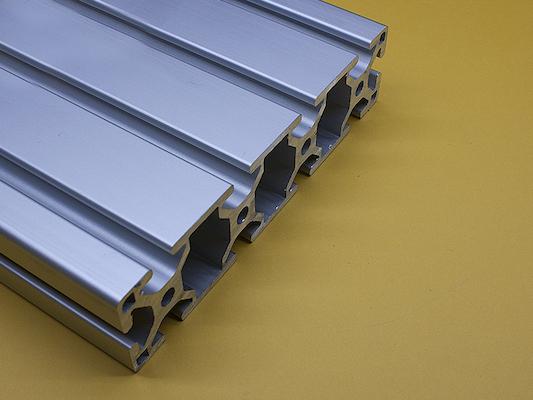
Extrusion stands as a pivotal manufacturing technique where manufacturers push metal through a shaped die to create elongated shapes with uniform cross-sections. This process begins with heating the metal, often aluminum or copper, to a pliable state, enhancing its ductility and making it easier to shape. The heated metal is then forced through the die using a high-pressure ram, emerging on the other side as an elongated piece with the die's cross-sectional shape.
Extrusion can produce a vast array of shapes, including tubes, beams, and profiles, with exceptional precision and efficiency. The process is highly valued for its ability to create complex cross-sectional parts that would be challenging or impossible to manufacture using other methods, making it a versatile choice in metal fabrication.
Applications of Extruded Metal Parts
Extruded metal parts play a crucial role in various industries, showcasing their versatility and utility. In construction, extruded aluminum forms the framework for windows and doors, providing strength, durability, and resistance to corrosion. The automotive industry leverages extruded parts for structural components and heat sinks, benefiting from the lightweight and strong characteristics of extruded aluminum.
Additionally, in the electronics sector, extruded metal parts, especially from copper, serve as crucial components in heat dissipation solutions, ensuring devices operate within safe temperature ranges. This wide array of applications underscores the extrusion process's ability to meet specific industry needs, from structural support to thermal management.
3.3 Stamping: Cutting and Bending Parts
Stamping Process
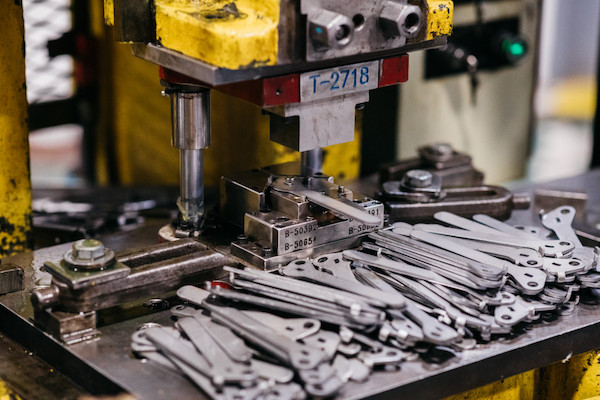
Stamping transforms metal sheets into specific shapes through cutting and bending operations. This process begins with a metal sheet placed into a stamping press. Then, using dies and high pressure, the machine either cuts, bends, or stretches the metal into the desired form.
Stamping stands out for its efficiency and ability to produce high volumes of parts with uniform precision. This method efficiently meets the demand for intricate shapes and designs, making it a cornerstone in metal fabrication.
Applications of Stamped Metal Parts
Consequently, stamped metal parts find their way into a vast array of industries. In the automotive sector, components like brackets, hinges, and chassis parts are often produced through stamping, due to the process's ability to create durable, complex shapes efficiently. Similarly, in electronics, stamping is pivotal for manufacturing connectors, contacts, and various enclosures.
The versatility and efficiency of stamping also benefit the construction and appliances sectors, showcasing its wide-ranging applicability. This method's capability to mass-produce precise parts underscores its critical role in modern manufacturing.
3.4 Forging: Molding Metal
Forging Process
Forging molds metal using intense compressive force, creating parts that are exceptionally strong and durable. In this process, a hammer or press applies force to shape the metal within a die. The technique excels in enhancing the metal's internal structure and mechanical properties, resulting in superior strength and resistance to impact and fatigue.
Applications of Forged Metal Parts
Therefore, forged metal parts are crucial in applications demanding high strength and reliability. Automotive components like crankshafts, connecting rods, and gears benefit significantly from forging due to its ability to withstand extreme conditions.
Similarly, in the aerospace industry, critical parts such as landing gear components and structural elements are often forged to ensure maximum safety and performance. The robustness and longevity of forged parts also make them indispensable in construction and industrial machinery, highlighting the process's broad utility.

3.5 Casting: A Time-Honored Manufacturing Process
Casting Process
Casting stands as a time-honored technique where molten metal is poured into a mold to achieve the desired shape. This process splits into various methods, notably precision casting and die casting. Precision casting, known for its accuracy, involves creating a detailed mold from a wax model which is later melted away, perfect for intricate designs.
Die casting, on the other hand, uses metal molds and is prized for high-volume production of parts with excellent dimensional consistency. Both methods harness the fluidity of molten metal, allowing for the creation of complex geometries unachievable through other fabrication processes.
Applications of Cast Metal Parts
Thus, cast metal parts play pivotal roles across numerous sectors. In the automotive industry, casting is essential for producing engine blocks, transmission housings, and various structural components that benefit from the process's ability to create complex shapes with hollow sections. The aerospace sector relies on casting for turbine blades and other critical components requiring precision and strength.
Meanwhile, in everyday products, from cookware to door handles, casting provides the flexibility to create durable and aesthetically pleasing items. The diversity of casting applications underscores its adaptability and enduring relevance in manufacturing.

4. Metal 3D Printing: Complex Geometries and Small Volume Parts
Metal 3D Printing Overview
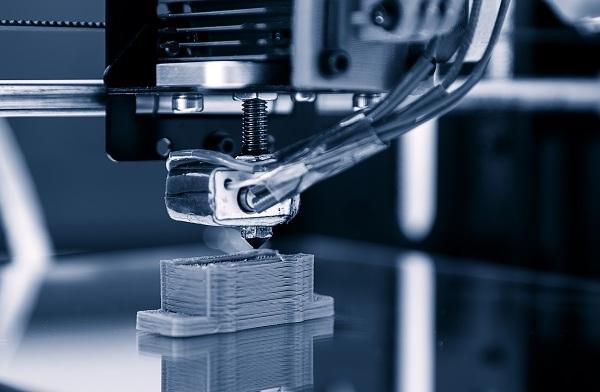
Metal 3D printing emerges as a cutting-edge fabrication method, revolutionizing the production of parts with complex geometries. This technology layers metal powder and fuses it with a laser or electron beam, building the part layer by layer from a digital model. It stands out for its ability to create structures that would be challenging or impossible with traditional manufacturing techniques, including intricate internal features and precise geometrical shapes.
Advantages of Metal 3D Printing
Notably, metal 3D printing shines in small volume production. It offers unparalleled flexibility in design changes, making it cost-effective for prototypes and bespoke items without the need for expensive molds or setups. Additionally, the technology reduces material waste, as it uses only the necessary material to build the part, aligning with sustainable manufacturing practices.
For industries requiring customized parts with high complexity, such as aerospace, medical, and automotive, metal 3D printing provides a tailored, efficient solution. This method not only accelerates the development cycle but also opens new possibilities in design and functionality, showcasing the future of metal fabrication.
5. Surface Finishing Options for Metal Parts

6. Why Choose RALLY for Metal Parts Fabrication
Expertise and Technology at RALLY
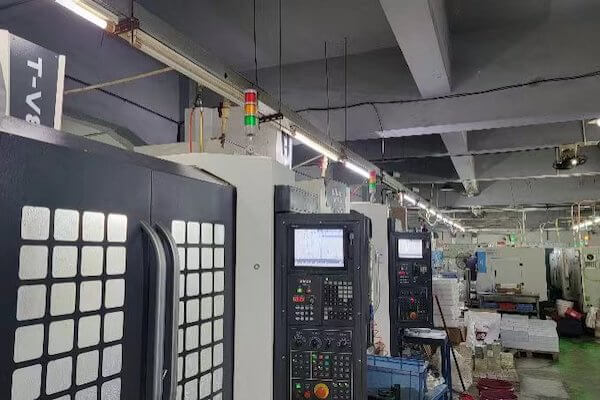
When it comes to metal parts fabrication, RALLY stands out with its deep-rooted expertise and state-of-the-art technology. The team at RALLY brings years of experience to the table, ensuring that every project benefits from their comprehensive knowledge of metal materials, fabrication processes, and industry standards. Moreover, RALLY’s investment in the latest machinery and software signifies their commitment to delivering precision and efficiency. This combination of expertise and technology enables RALLY to tackle complex challenges and produce parts with unparalleled accuracy and quality.
Commitment to Quality
Furthermore, RALLY’s dedication to quality is evident in every facet of their operation. From the initial design consultation to the final quality inspection, RALLY implements rigorous standards to ensure that each product not only meets but exceeds customer expectations. Their quality assurance processes are designed to catch even the smallest deviations, guaranteeing that every part is fabricated to perfection.
Catering to Diverse Needs
Equally important, RALLY possesses the flexibility and capacity to cater to a broad spectrum of needs, from one-off prototypes to full-scale production runs. Whether you’re looking to bring a novel invention to life or require dependable parts for large-scale manufacturing, RALLY is equipped to support your project with tailored solutions. Their ability to adapt to varying volumes, complex designs, and strict timelines makes them a reliable partner for industries across the board.
Choose RALLY for Your Fabrication Needs
Thus, choosing RALLY for metal parts fabrication means partnering with a team that prioritizes your success. Their blend of technical prowess, uncompromising quality, and customer-focused service ensures that your projects are in capable hands. For those seeking a partner to navigate the complexities of metal fabrication, RALLY offers the expertise, technology, and commitment needed to turn your concepts into reality.


Conclusion
Throughout this article, we've explored the multifaceted world of metal parts fabrication, covering everything from the basics of metal materials to the intricacies of CNC machining, extrusion, stamping, forging, casting, and metal 3D printing. We've delved into the significance of surface finishing options, highlighting how each process and material choice is pivotal in achieving desired outcomes in durability, aesthetics, and functionality.
Now, armed with a deeper understanding of metal parts fabrication, consider RALLY as your go-to partner. RALLY’s practical, reliable, and user-centered approach ensures your projects transition from concept to reality with unmatched precision and quality. For all your metal parts fabrication needs, large or small, complex or straightforward, reach out to RALLY. Let us show you how our expertise and dedication can elevate your projects beyond expectations. Contact RALLY today and let’s create something exceptional together.
Get A Quick Quote For Your New Project !
Our expert team and advanced manufacturing capabilities are ready to support your project from prototype to mass production. Contact us now to get started!
Related Posts

Is Bronze Easier to Machine Than Brass?

Machining 304 Stainless Steel – Comprehensive Guide

Prototype to Production

 English
 German
 Portuguese
 French
 Polish
 Spanish
 Italian